GAME DEVELOPMENT
overview
servıce features
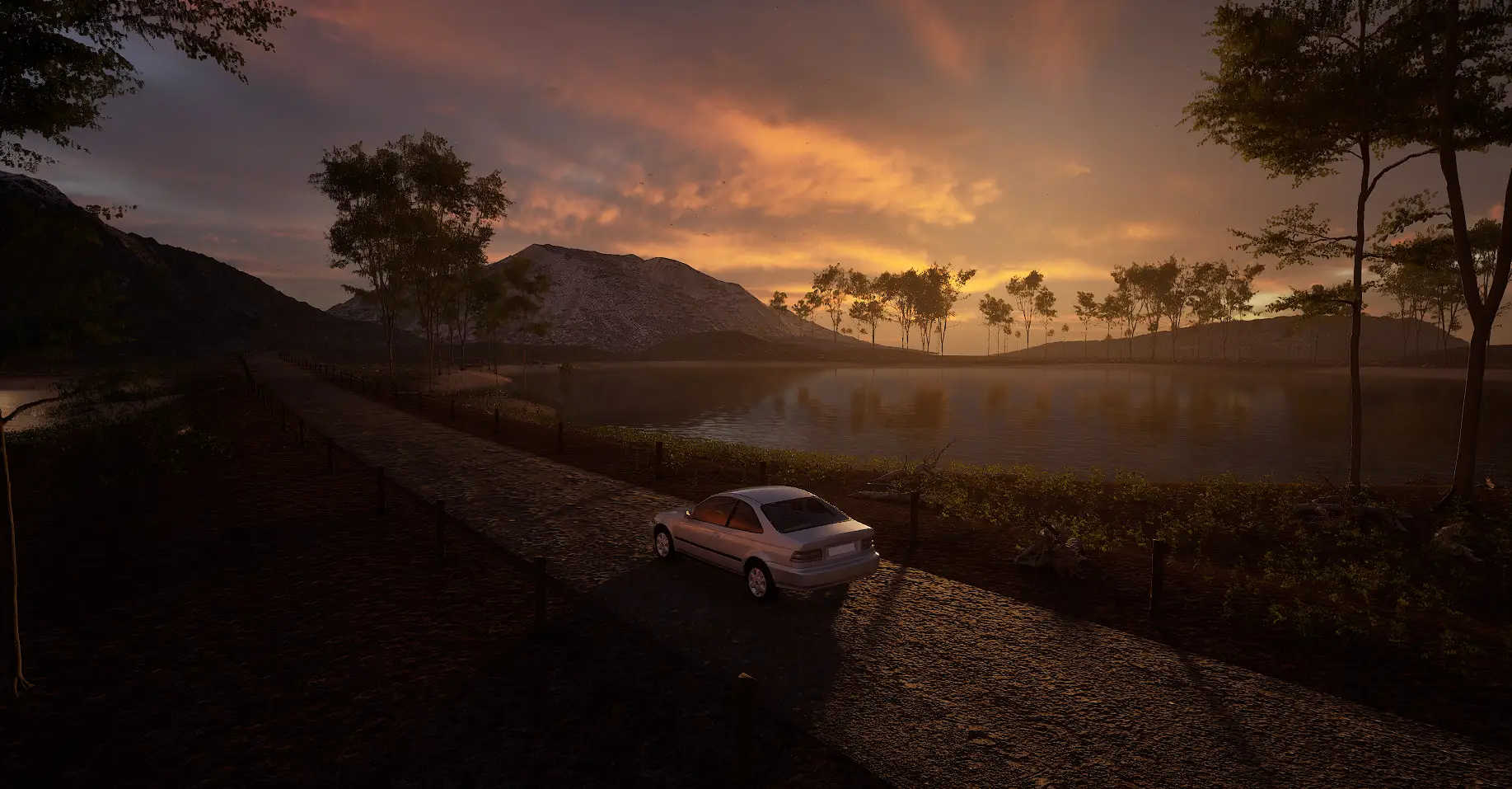
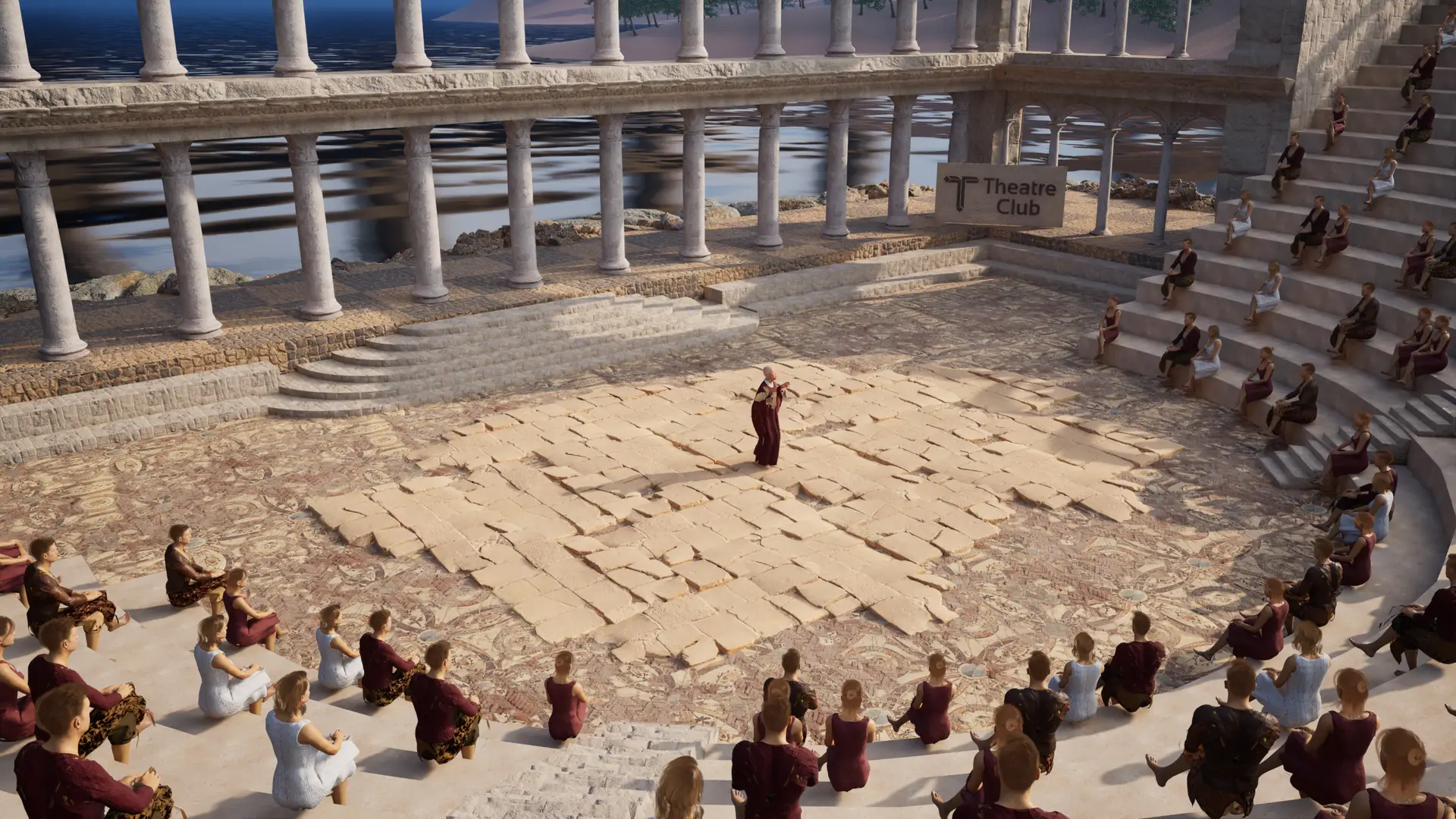
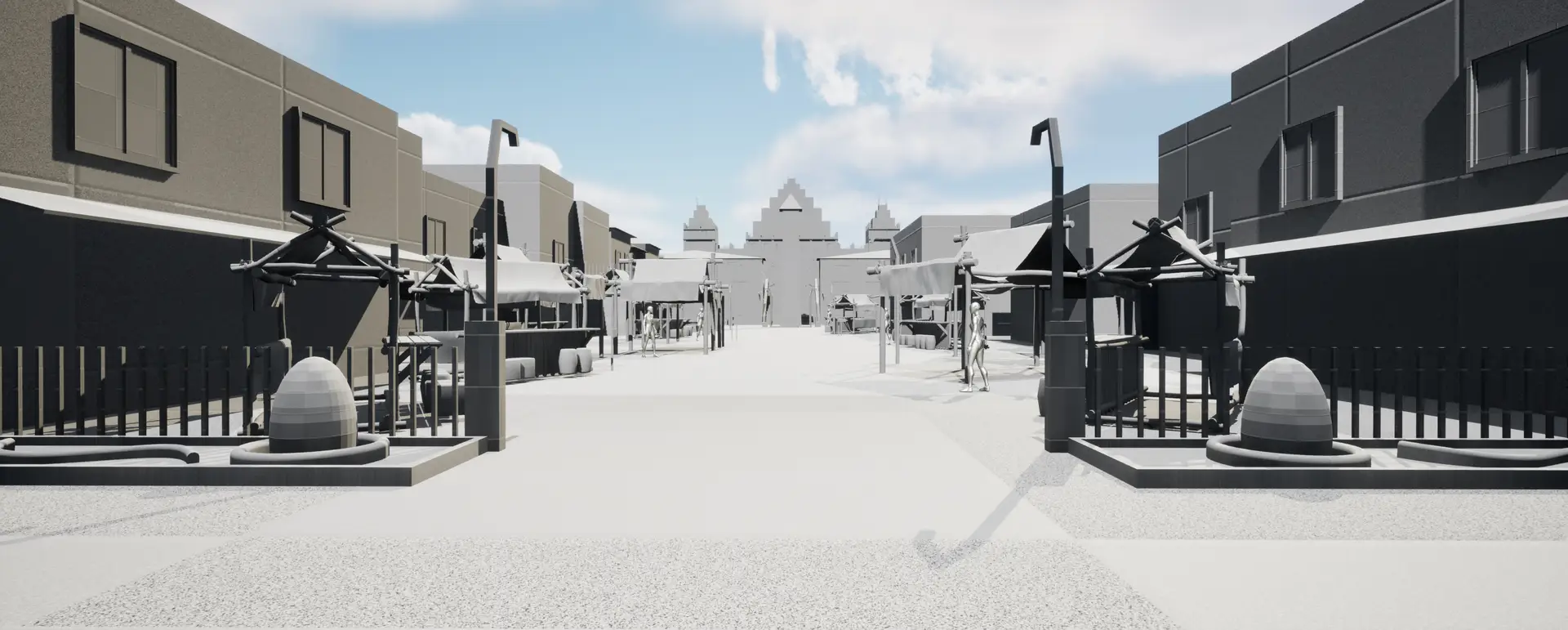
We focus on delivering next-generation, high-quality gameplay experiences using Unreal Engine 5. We build solid core mechanics, intelligent AI systems, polished UI/UX, optimized performance pipelines, and platform-ready builds.
Every feature is crafted with technical precision, modular architecture, and scalable design—ensuring your project grows smoothly from prototype to final release.
Core Gameplay Systems & Mechanics Implementation
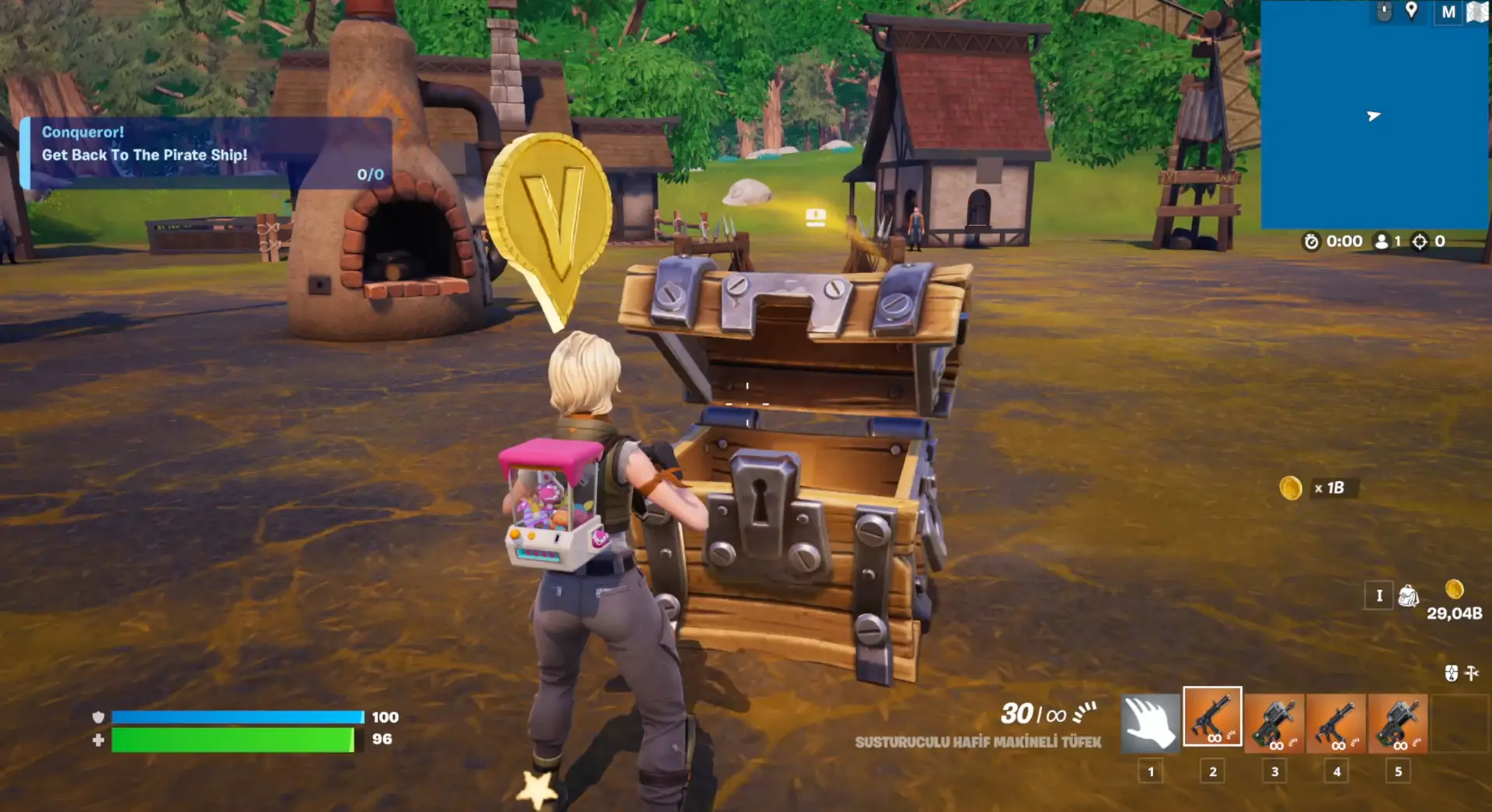
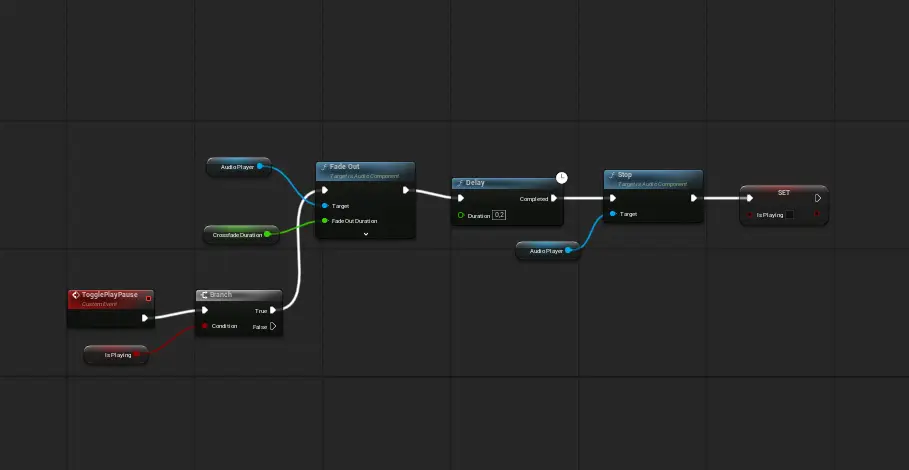
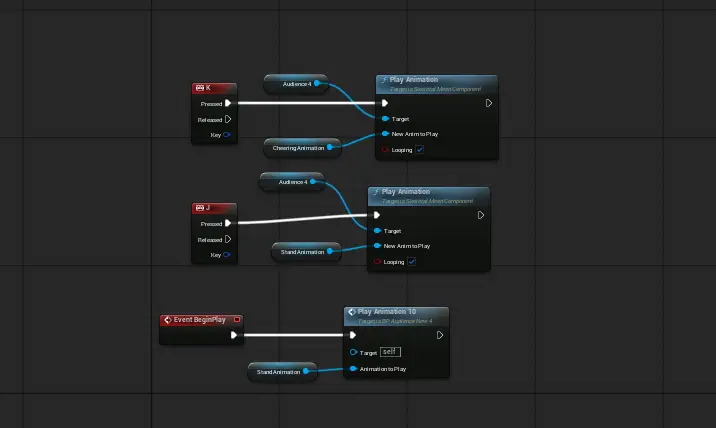
We develop responsive gameplay systems using Unreal Engine 5 Blueprints and C++, including movement, interaction, combat, AI behaviors, inventory, and progression mechanics. Every system is modular, optimized, and designed for scalability.
Prototyping & Playable Feature Testing
We build rapid prototypes to validate ideas early—testing controls, player feedback, pacing, and core mechanics before full production. Each prototype includes basic UI, placeholder animations, and temporary assets for clear gameplay evaluation.
AI Design & Behavior Programming
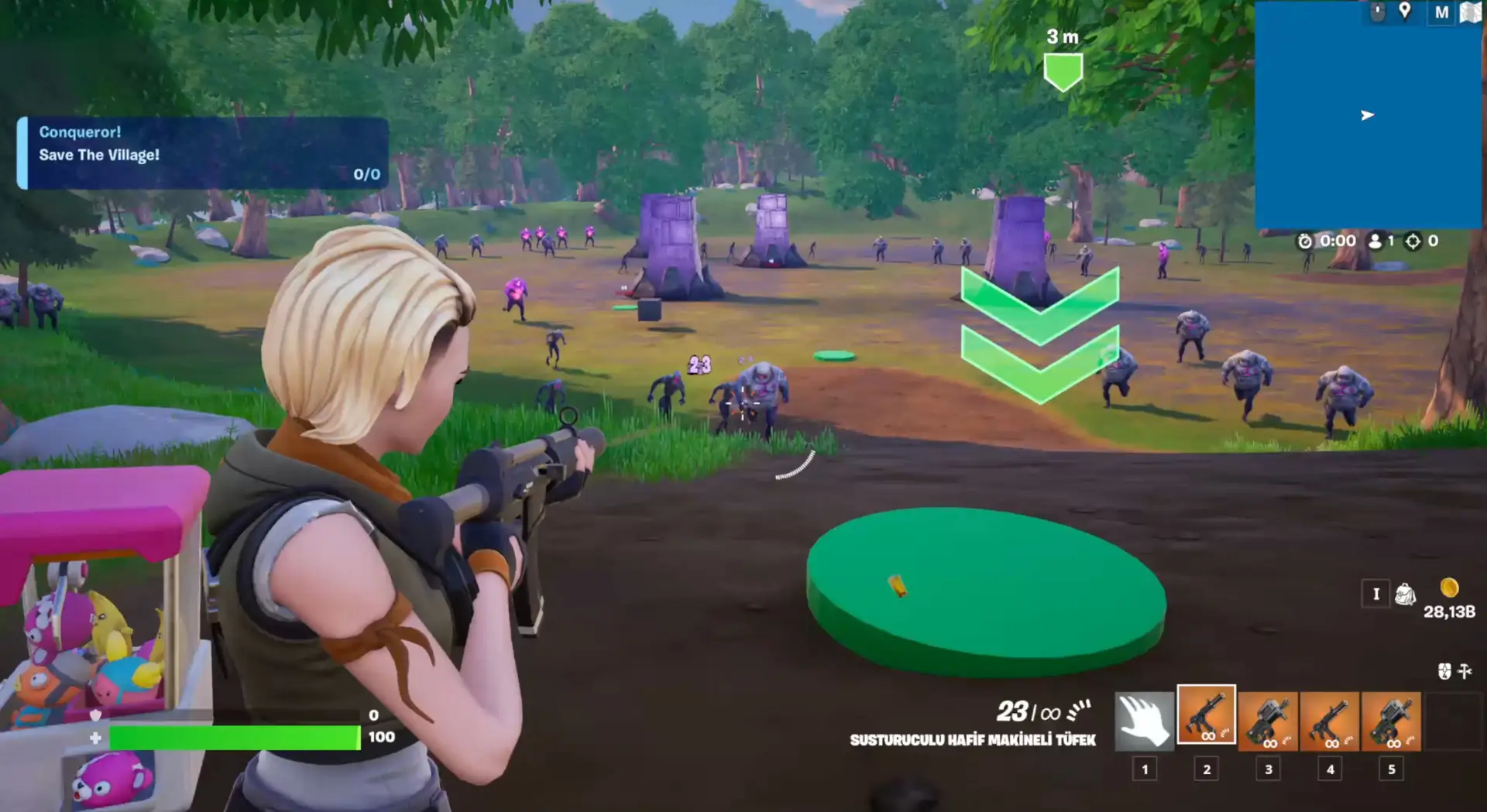
We create intelligent AI using Behavior Trees, EQS (Environment Query System), perception systems, patrol logic, combat responses, and state-based decision-making. Our AI systems are optimized for performance and adaptable to different game genres.
UI/UX Design & Interactive Systems
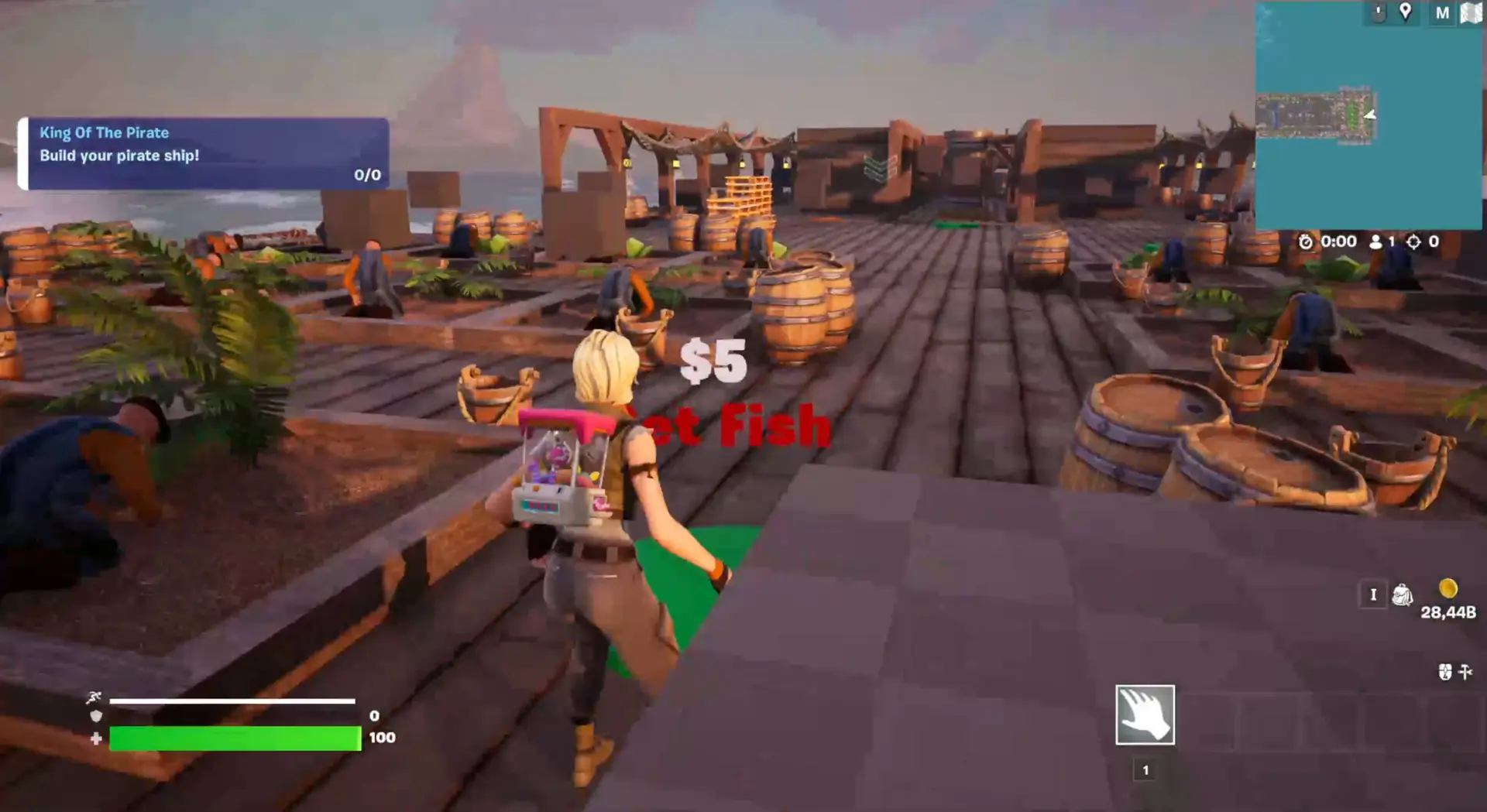
We design clean, intuitive UI screens and HUDs—including inventory menus, health bars, objective tracking, interaction prompts, and game settings—implemented with UMG and optimized for player clarity and smooth interaction.
Performance Optimization & Technical Polishing
We optimize game performance using LOD systems, memory management, animation compression, physics efficiency, and script clean-ups. This ensures stable frame rates, faster loading times, and a polished gameplay feel across platforms.
Deployment, Build Packaging & Platform Support
We package projects for PC, mobile, or VR—configuring project settings, input profiles, resolution scales, shader compilation, and platform-specific optimizations. Final builds are validated for performance and stability.
faqs
popular questıons
What game engines do you work with?
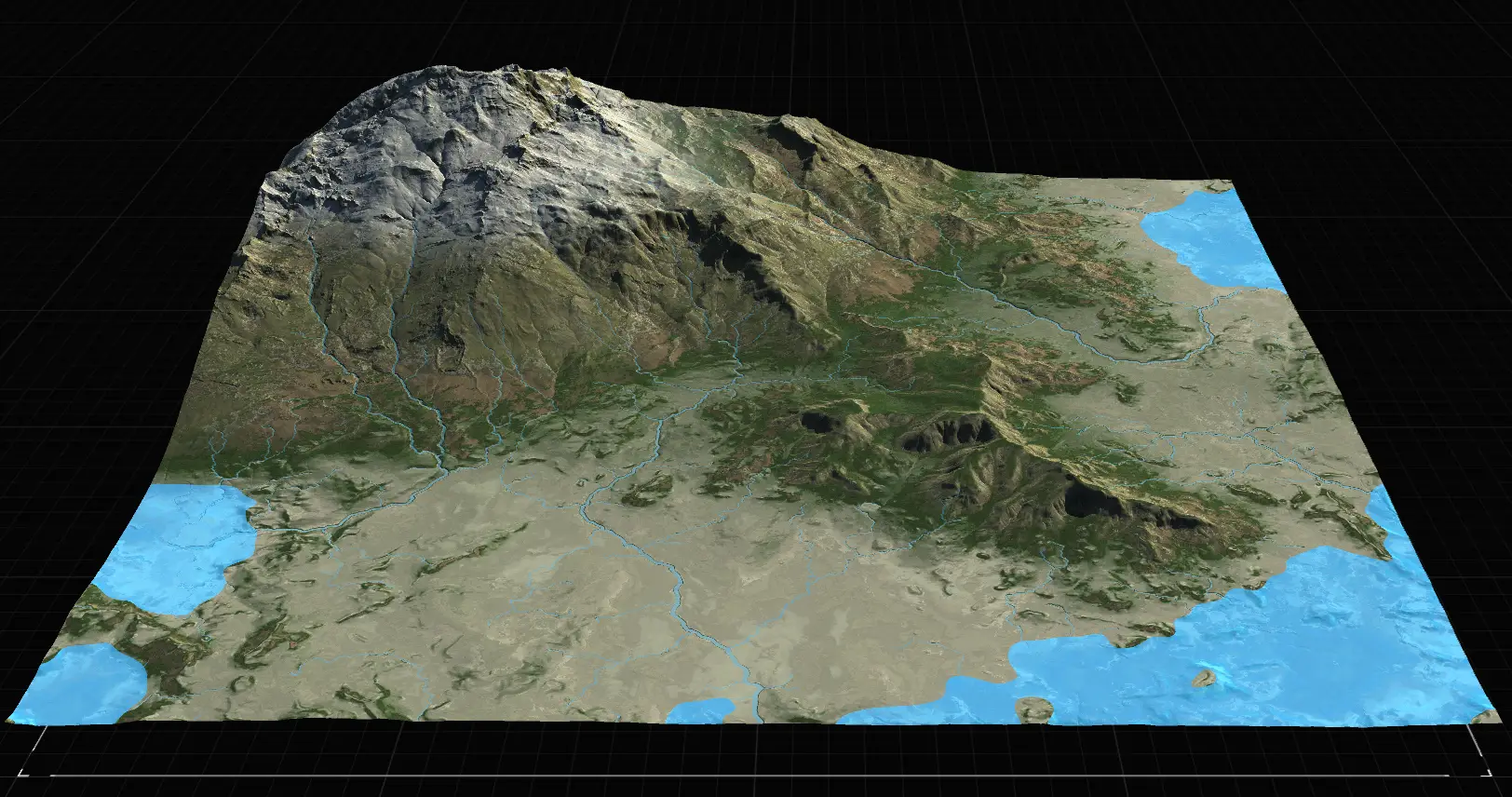
We primarily develop using Unreal Engine 5, leveraging its next-generation rendering, Blueprint/C++ systems, Nanite, Lumen, and World Partition for high-performance, scalable game production.

Can you develop full gameplay systems from scratch?
We build complete gameplay systems—including movement, interaction, combat mechanics, AI behaviors, UI/UX, and progression systems—using modular architecture for easy expansion.
How do you ensure the mechanics feel smooth and responsive?
We test input responsiveness, animation timing, collision accuracy, and control feedback through iterative prototyping and playtesting until the gameplay feels polished and intuitive.
Do you work with both Blueprints and C++?
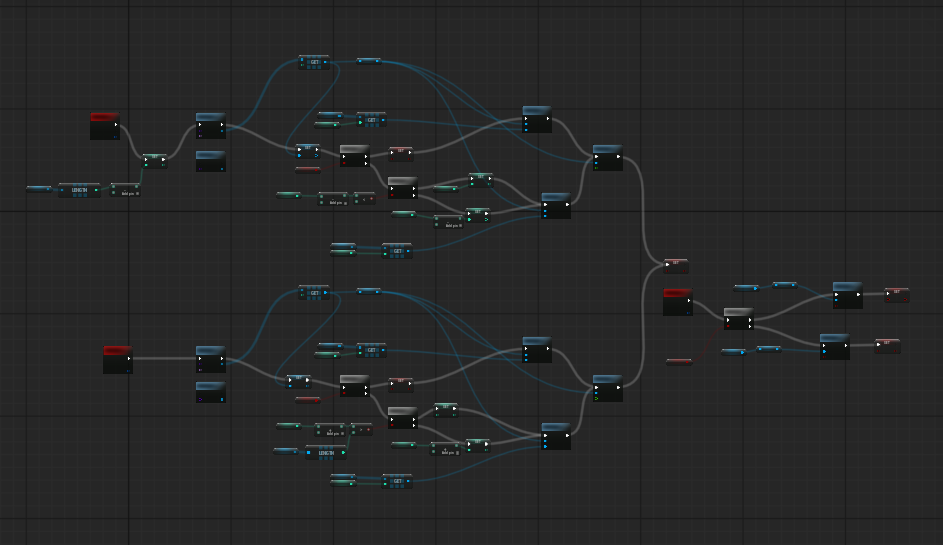
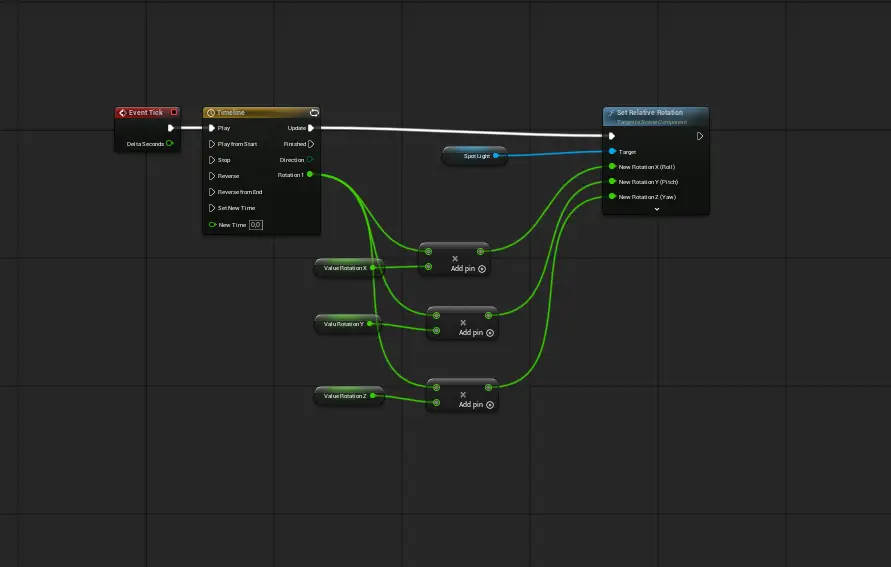
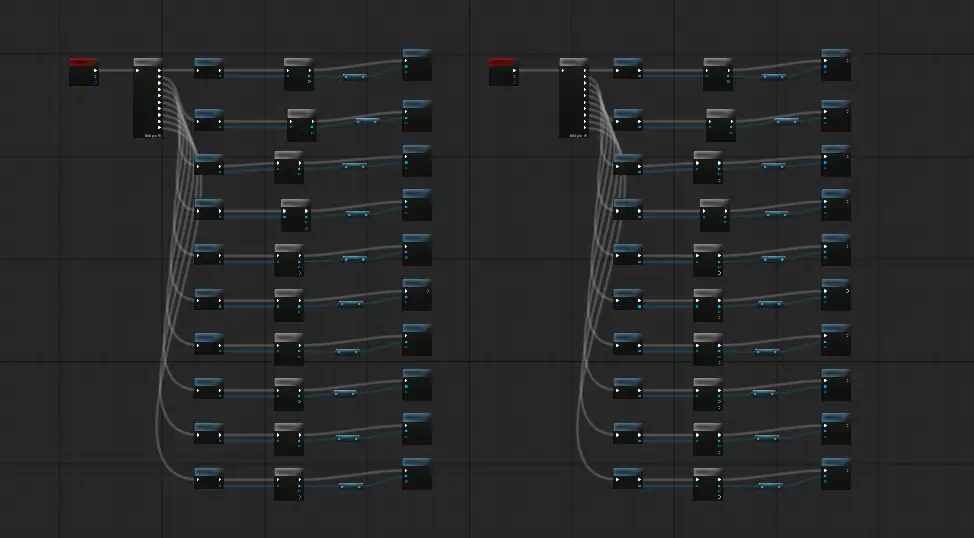
We use Blueprints for rapid prototyping and visual logic, and C++ for performance-critical systems, ensuring a clean and optimized technical structure.
How do you maintain communication during development?
We provide transparent updates through milestones, screen captures, prototype builds, and progress reports to ensure you’re fully involved in every step of the development process.
Can you create AI for enemies, NPCs, or companions?
We design AI using Behavior Trees, EQS, perception systems, and state machines, allowing enemies and NPCs to act intelligently, react to players, and adapt to environment changes.
How do you handle performance optimization?
We optimize gameplay using LODs, animation compression, physics simplification, clean Blueprint execution, garbage collection management, and platform-specific settings for stable performance.
Do you also create UI and HUD elements?
We design and implement UI/HUD using UMG, focusing on clarity, clean interaction, user flow, and responsive layouts that enhance the gameplay experience.
Do you offer ongoing support after the level is delivered?
Yes. We provide optional post-delivery support, including bug fixes, polishing, optimization updates, gameplay adjustments, or additional content extensions.