MindropxStudio

overview

servıce features

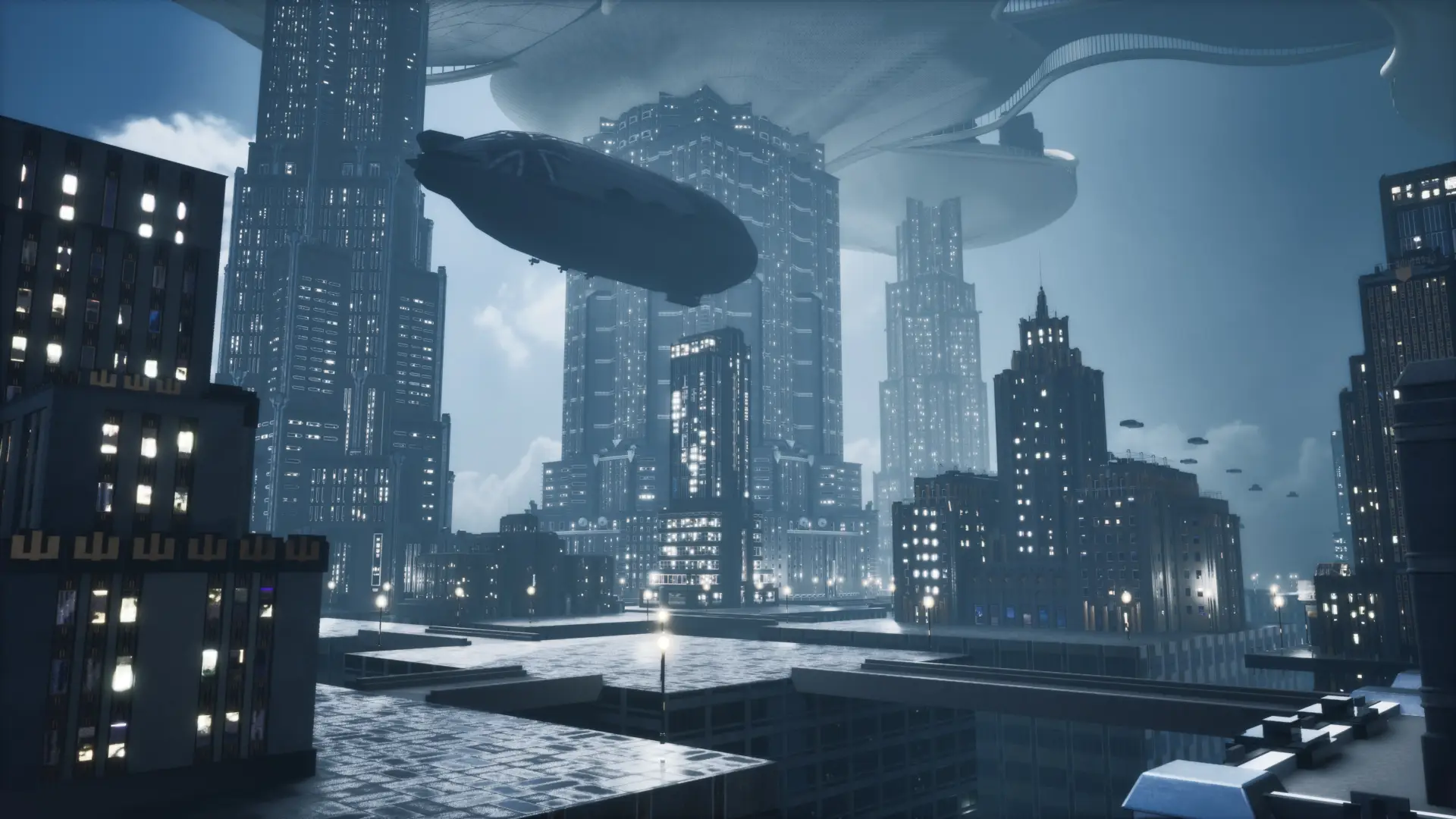
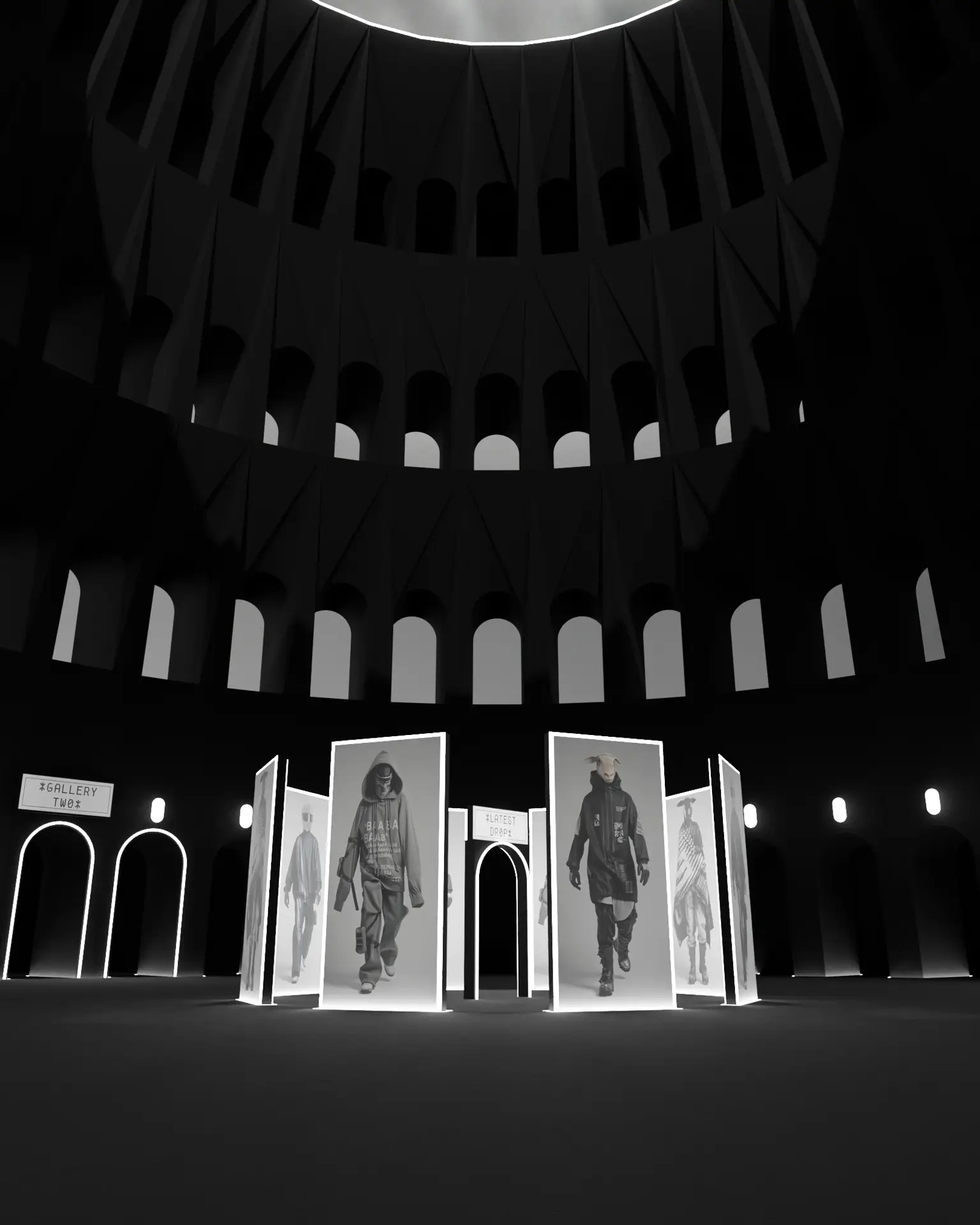
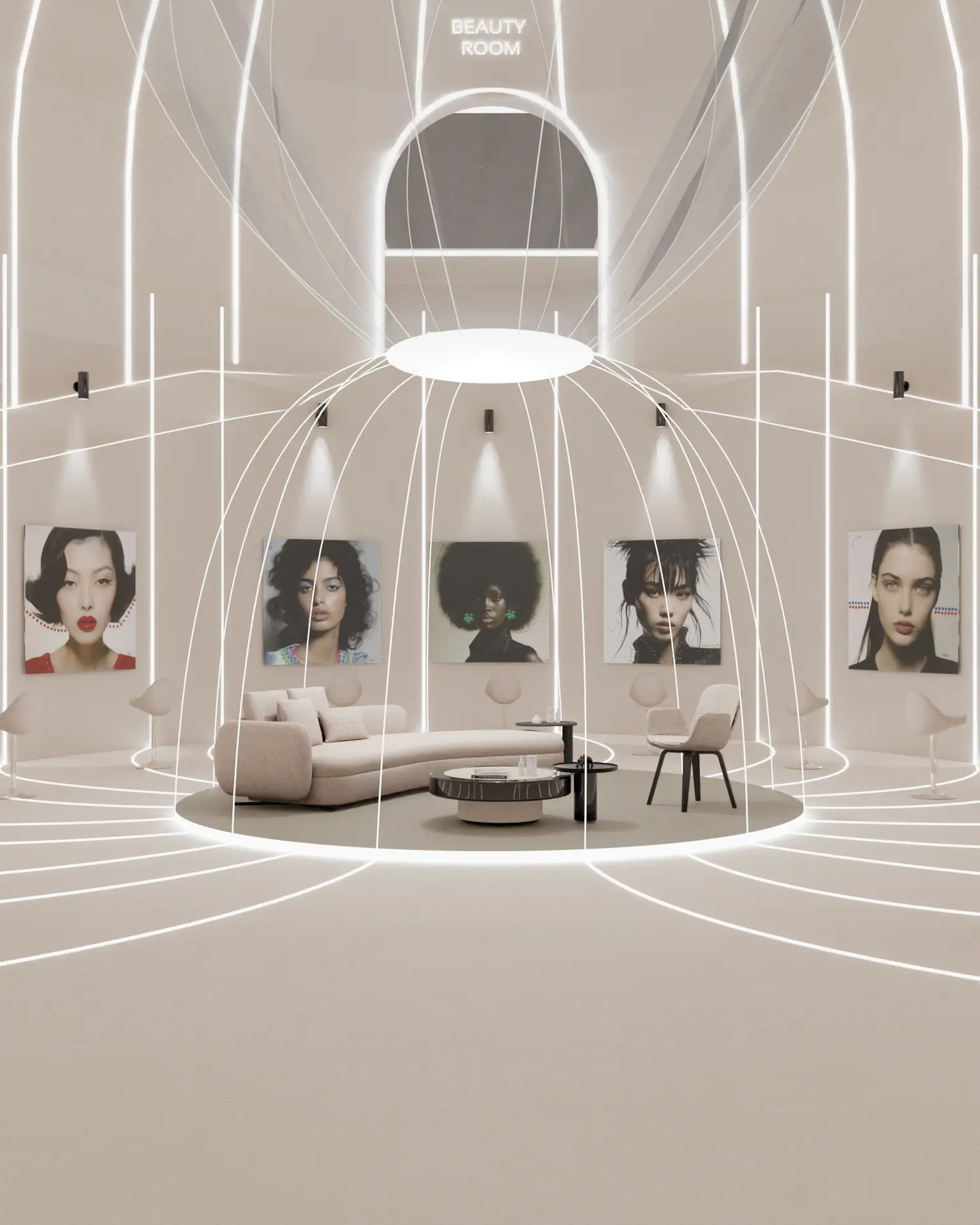
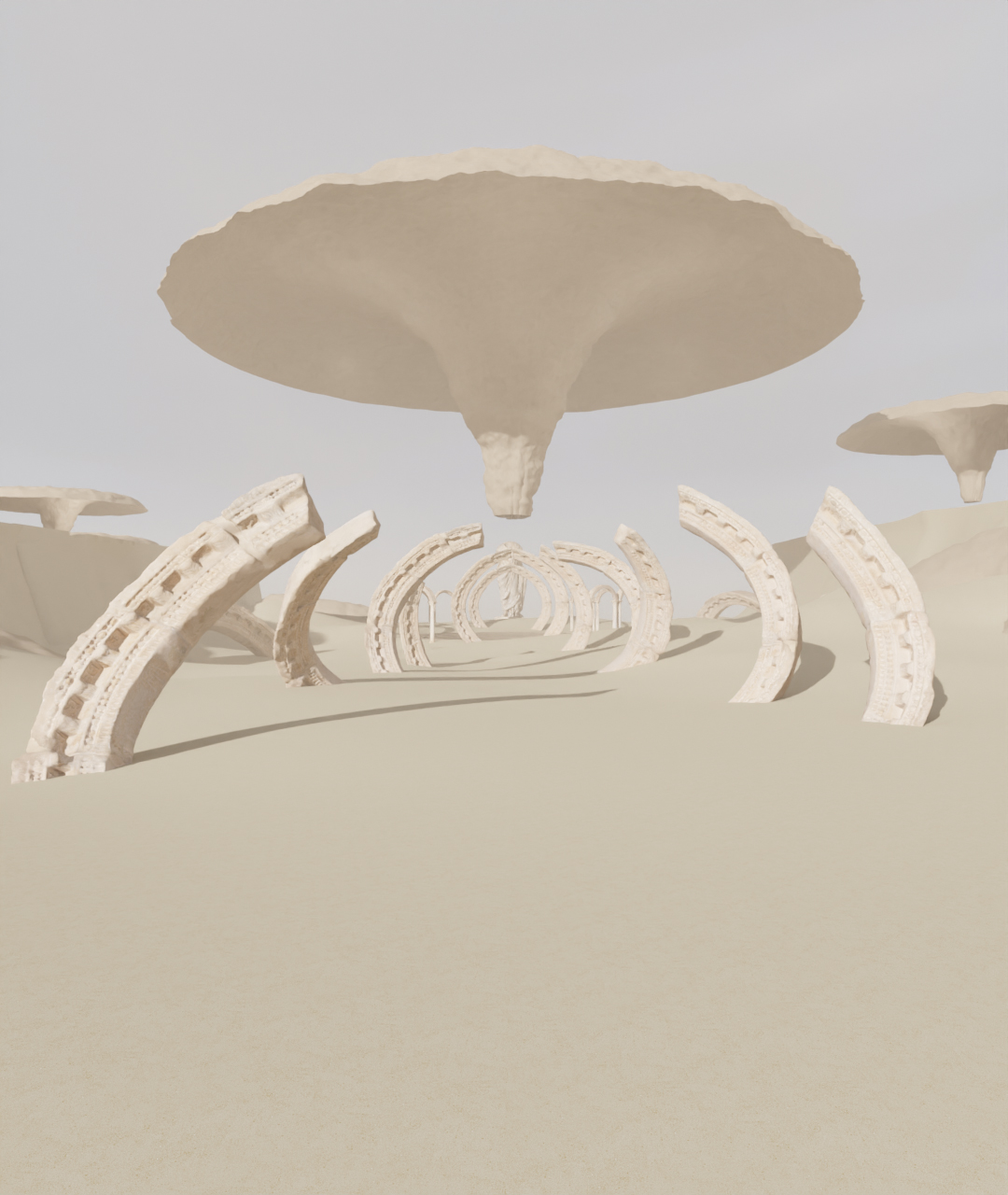
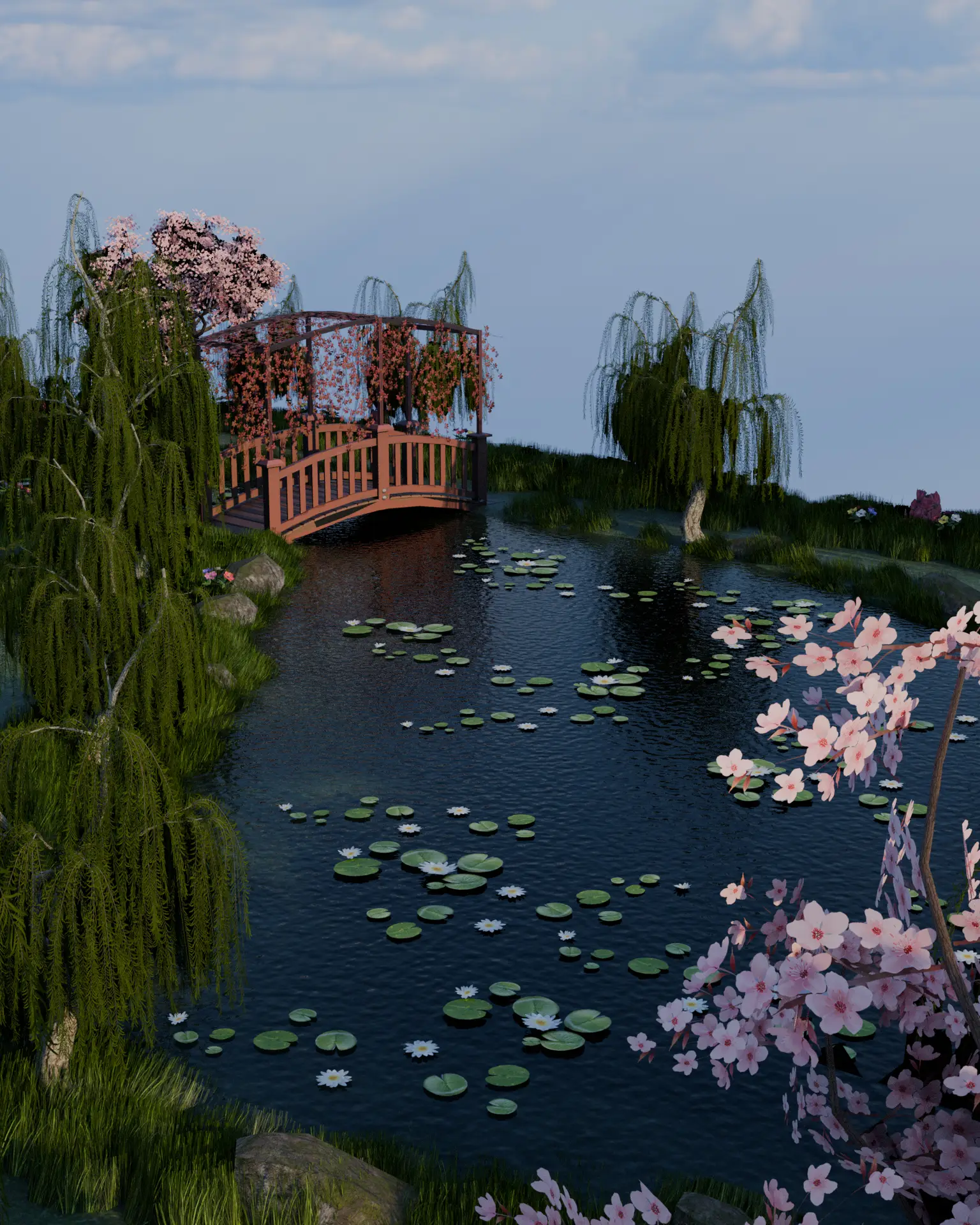
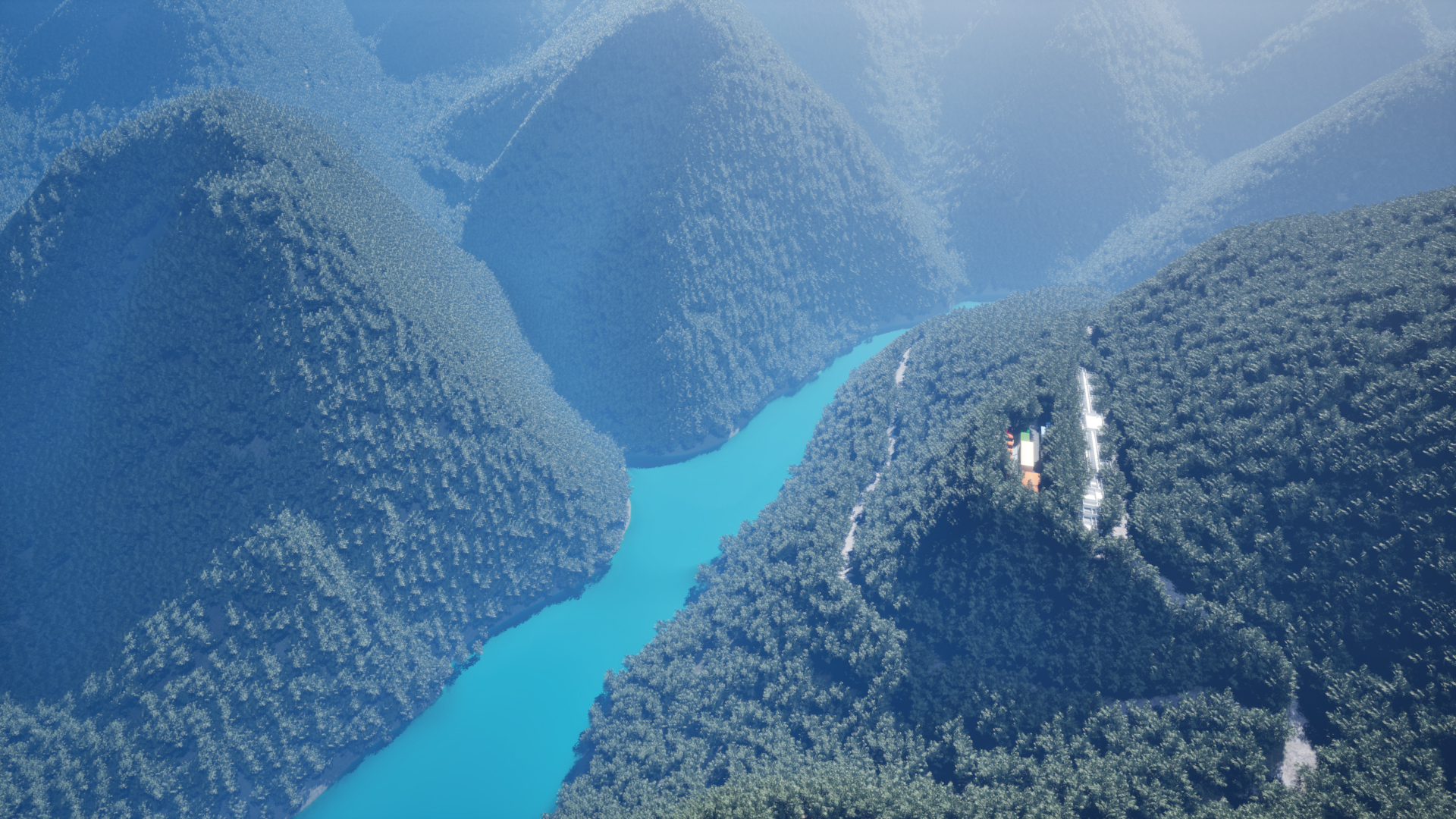
We create real-time, photoreal environments for Metaverse projects, digital twins, interactive experiences, and films using Unreal Engine 5.

Our workflow delivers next-generation visuals, dynamic lighting, and production-ready scenes that bring your ideas to life with speed, realism, and full creative flexibility.

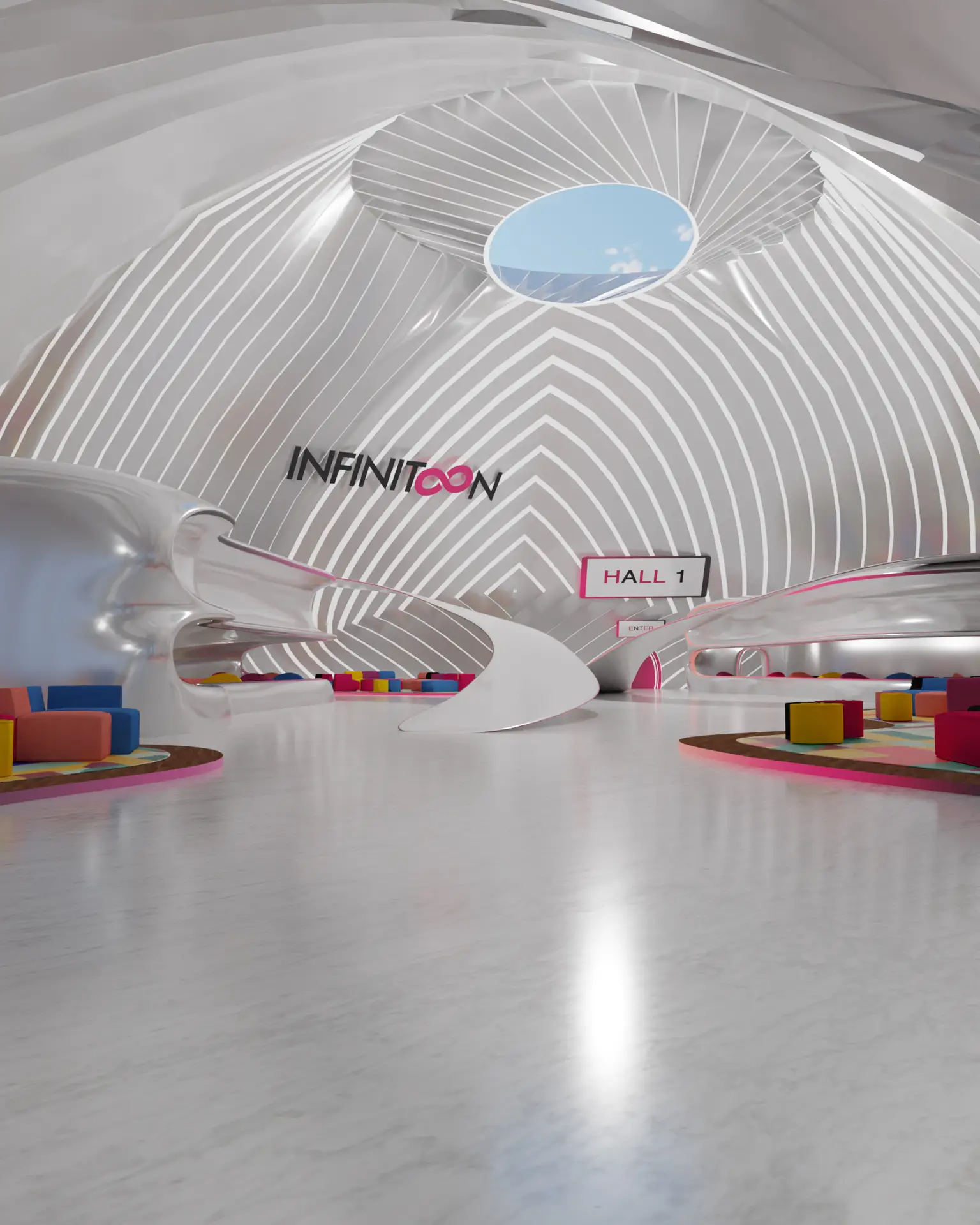
Metaverse Worlds & Interactive Digital Spaces

We design fully explorable Metaverse environments optimized for performance, user interaction, multiplayer functionality, and cross-platform compatibility. Our worlds feature realistic lighting, stylized or photoreal aesthetics, and seamless navigation tailored to interactive experiences.

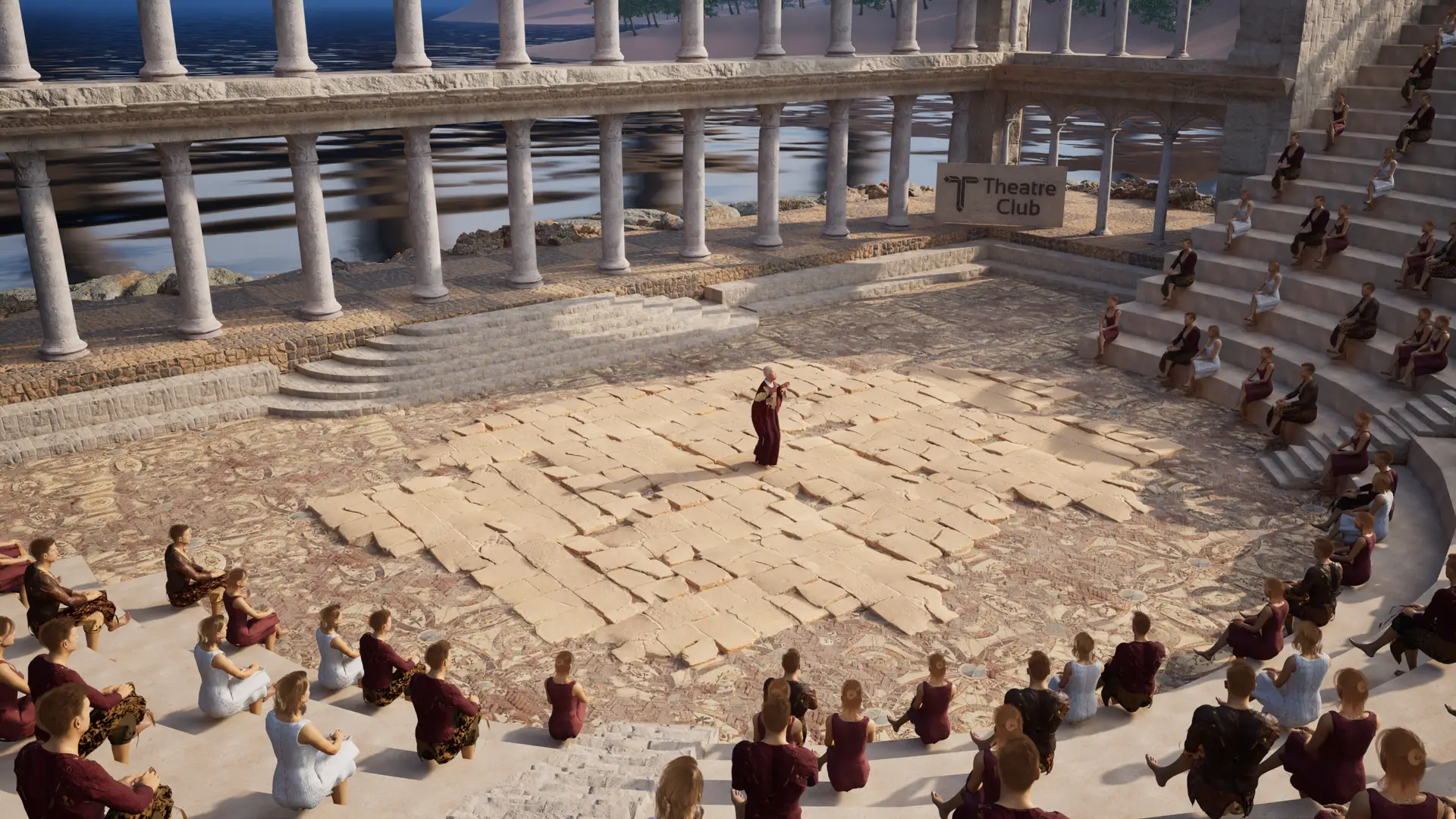
Digital Twins & Real-World Replication

We create high-accuracy digital twins of real locations using photogrammetry, CAD imports, measurements, and PBR-calibrated lighting. These replicas are engineered for architectural previews, industrial training, simulation, or virtual showcases inside Unreal Engine 5.

Real-Time Cinematic Environment Creation

We build photoreal, film-quality environments using Unreal Engine 5’s Lumen, Nanite, and advanced atmospheric systems. These environments support virtual filmmaking, previsualization (Previs), and digital cinematography workflows with real-time lighting and dynamic camera controls.

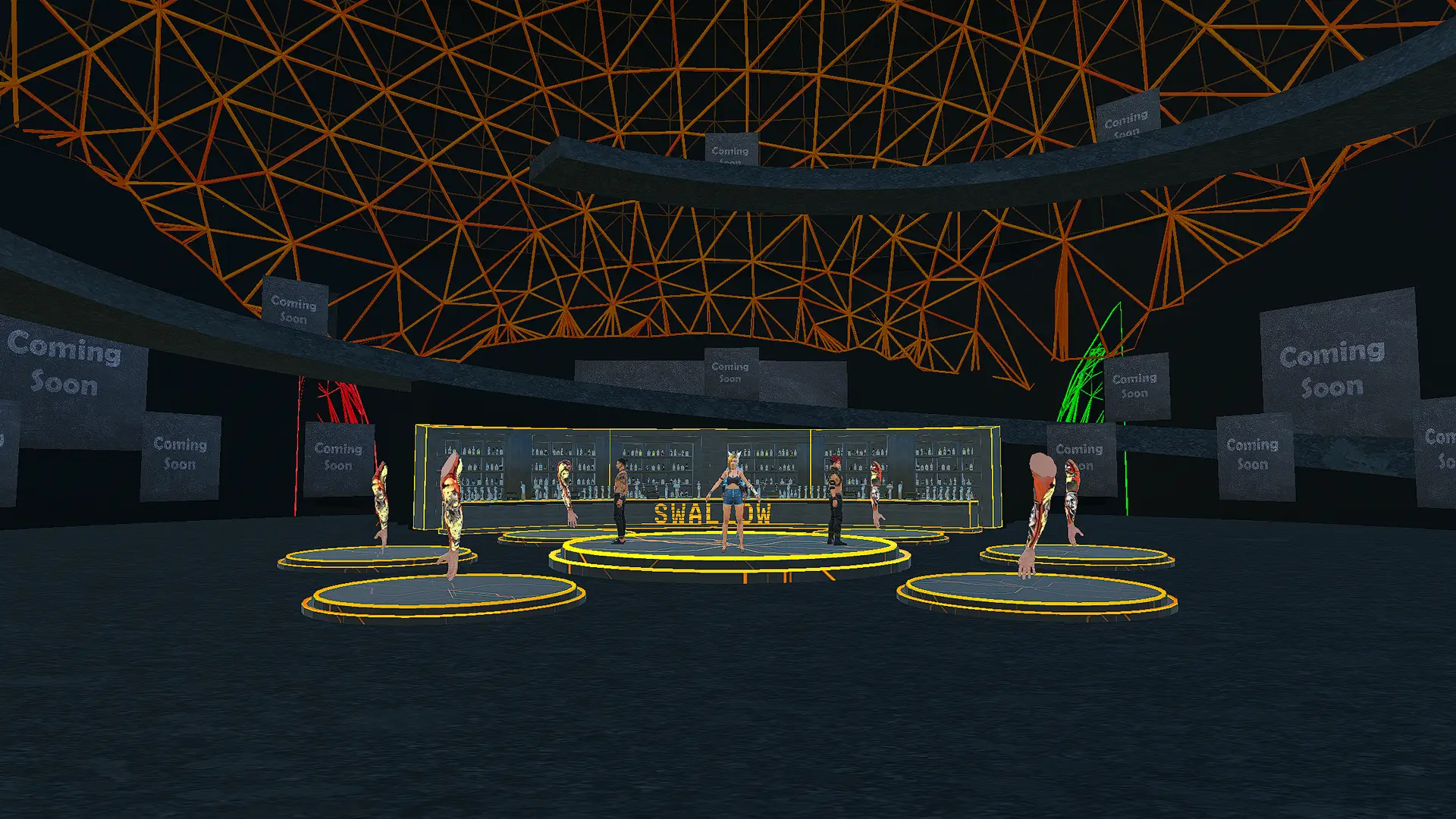
Interactive Virtual Experiences & Previsualization Tools

We build real-time interactive scenes that allow directors, designers, or clients to freely explore environments, adjust lighting, change camera angles, or visualize scenes before production begins. This boosts decision-making speed and reduces traditional production costs.

Real-Time Cinematic Animation & Camera Sequencing

We develop cinematic sequences using UE5 Sequencer, including camera animation, depth-of-field tuning, lens matching, color grading, and dramatic mood setups. This pipeline enables quick iteration for trailers, cutscenes, advertising, and concept visualization.

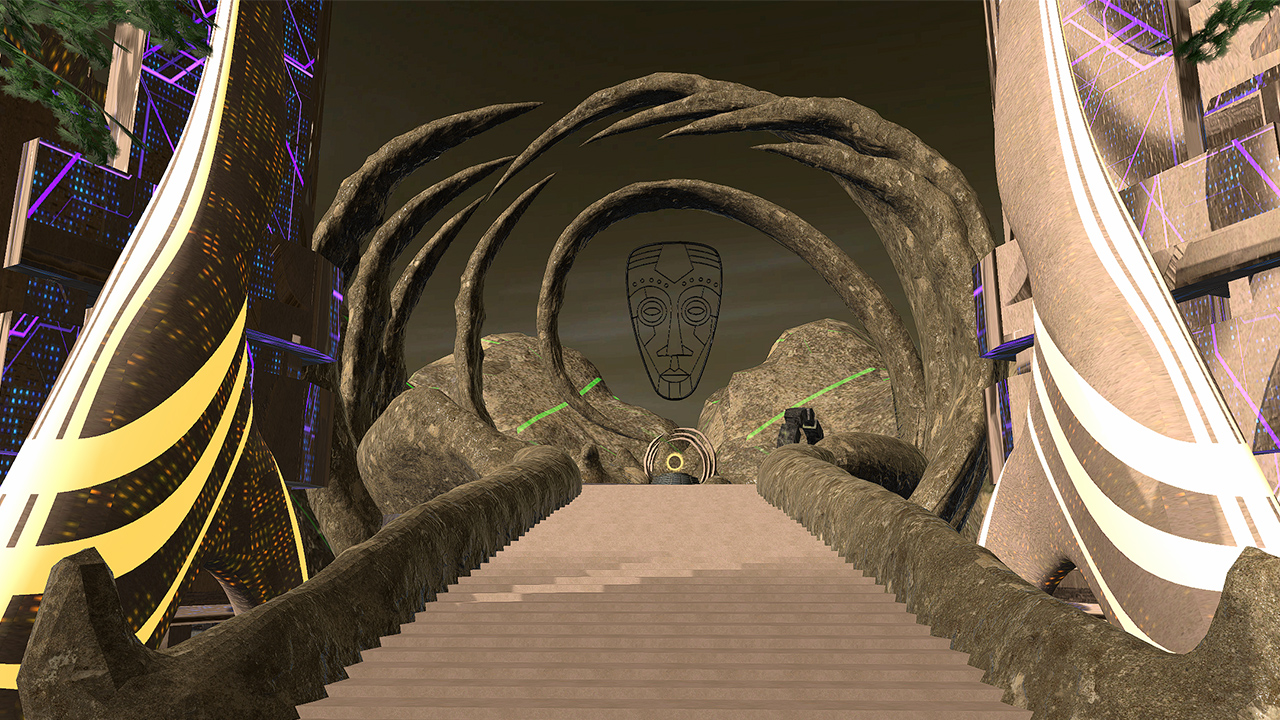
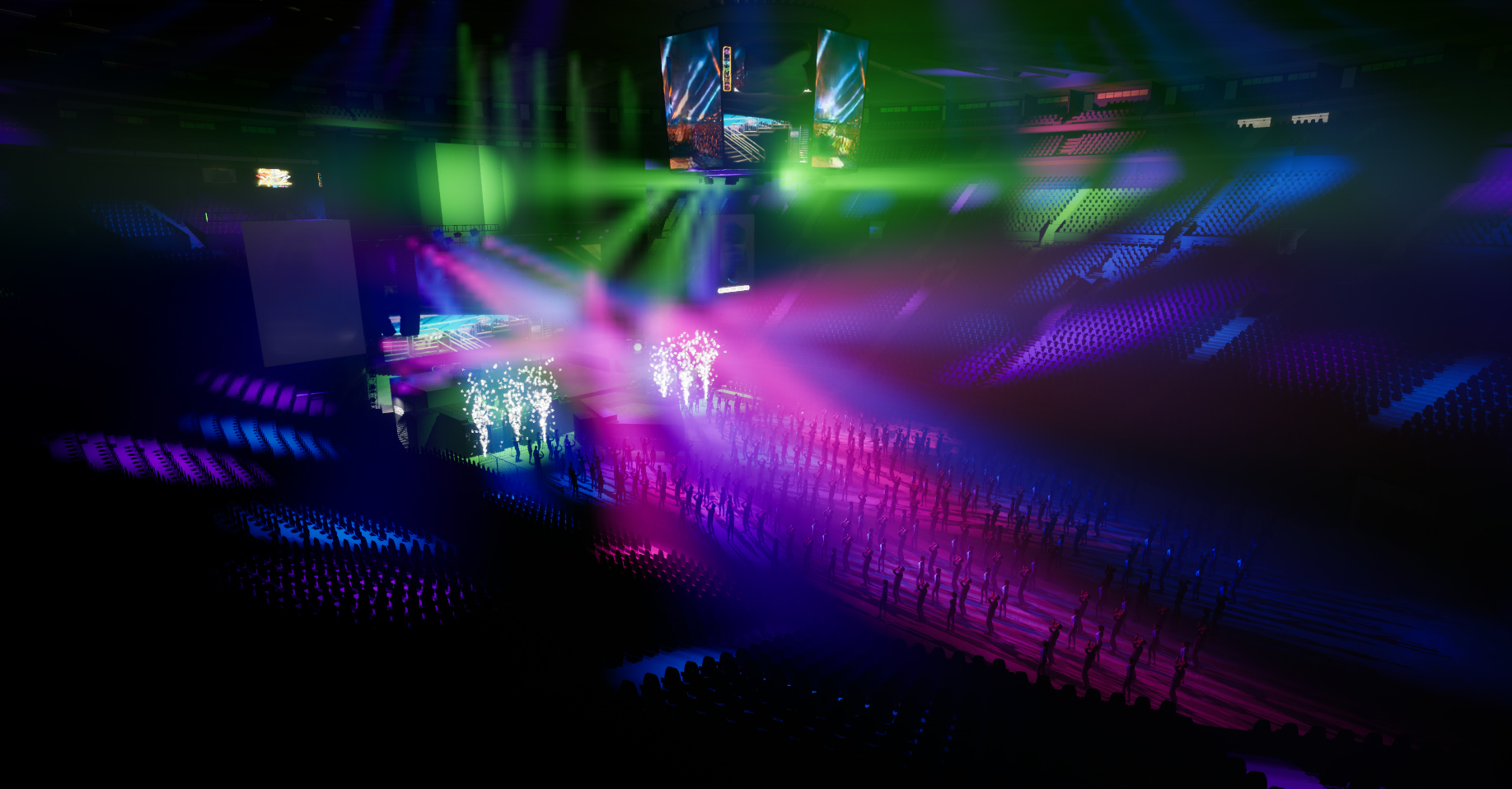
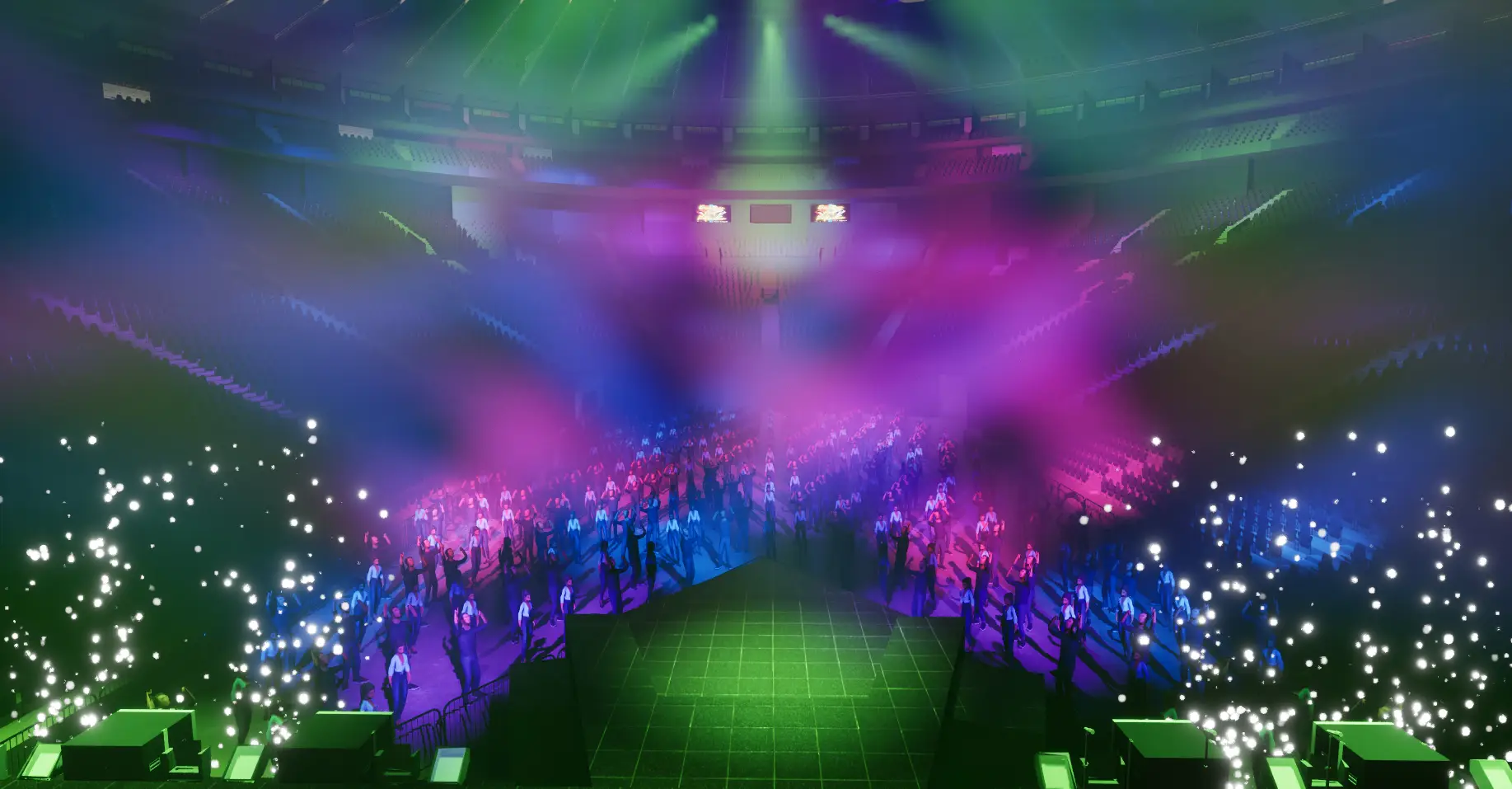
Digital World Building & Immersive Space Creation

We design large-scale, interactive digital worlds tailored for Metaverse platforms, virtual events, online exhibitions, and immersive brand experiences. Our workflow includes modular worldbuilding, optimized asset creation, real-time lighting, interactive logic systems, multiplayer-ready layouts, and performance profiling to ensure smooth cross-platform delivery.

Metaverse Worlds & Interactıve Dıgıtal Spaces

Dıgıtal World Buıldıng & Immersıve Space Creatıon

Dıgıtal Twıns & Real-World Replıcatıon

Interactıve Vırtual Experıences & Prevısualızation Tools

Want to create game with us? Let’s talk & build something great together!
software we use
faqs

popular questıons

What software and technology do you use for virtual production?

We primarily use Unreal Engine 5, leveraging Lumen, Nanite, Sequencer, real-time rendering tools, and virtual camera systems to deliver high-fidelity environments.
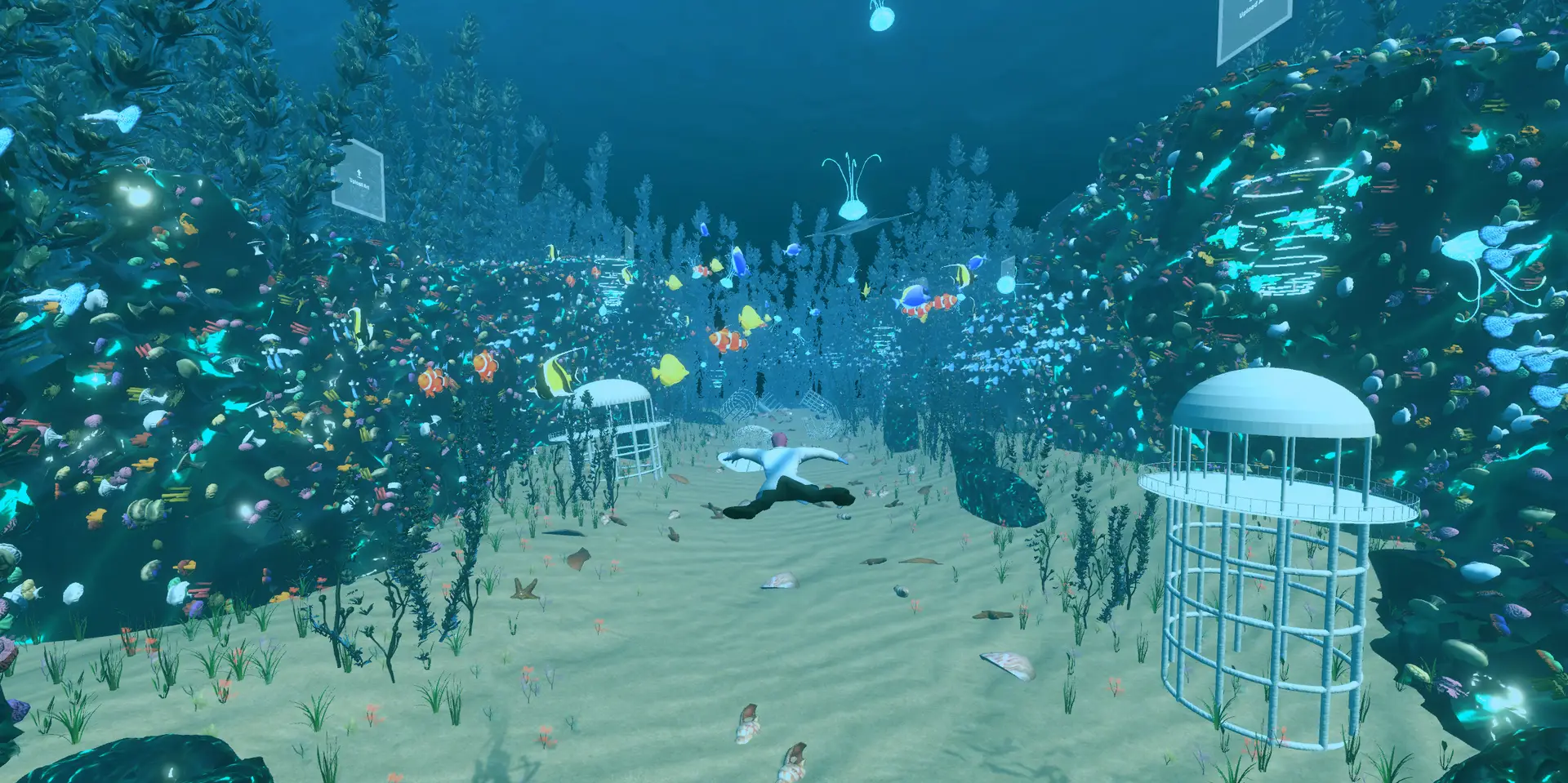
We design photoreal, production-ready scenes with accurate lighting, detailed assets, and cinematic camera setups tailored for trailers, cutscenes, and virtual film stages.

We create fully explorable Metaverse worlds optimized for performance, multiplayer systems, interactive elements, and real-time lighting across multiple platforms.

We build highly accurate digital replicas using photogrammetry, CAD data, and physically correct lighting—ideal for architecture, industry simulations, and virtual showrooms.

We provide transparent updates through milestones, screen captures, prototype builds, and progress reports to ensure you’re fully involved in every step of the development process.

How do you ensure real-time scenes look realistic?

We combine high-quality assets, calibrated PBR materials, Lumen lighting, atmosphere systems, and color grading to achieve film-level realism inside real-time environments.

We build interactive features such as adjustable lighting, togglable props, dynamic weather, and camera switching to allow real-time exploration during production.

We use LOD systems, Nanite optimization, GPU-friendly materials, foliage instancing, and efficient world partition workflows to maintain stable performance.

We use Unreal Sequencer to create smooth camera paths, lens-controlled shots, depth-of-field settings, and dramatic cinematic compositions.